
The Journal
Eau de Parfum vs Extrait: How Concentration Shapes a Scent
How fragrance concentration shapes longevity, projection and character, and why Donzella composes in eau de parfum.
A fragrance is not only a matter of what it smells like. It is also a matter of how much of it is there. Two bottles can share the same name, the same notes, the same perfumer, and still behave differently on the skin, because they hold different concentrations of perfume. Understanding the difference between eau de parfum and extrait is the shortest path to understanding why one scent lasts an hour and another stays close to you for a day.
In short
Extrait de parfum holds more perfume concentrate than eau de parfum: usually twenty percent or more, against roughly fifteen to twenty. It stays closer to the skin and often lasts longer, while eau de parfum carries further and suits more occasions. Neither is better. They are two different intentions.
What concentration actually measures
A perfume is aromatic material dissolved in alcohol and a little water. Concentration describes how much of that aromatic material is present. The higher the share, the more raw essence you carry with every spray, and the more the fragrance leans toward depth and longevity. From the lightest to the richest, the family runs like this: eau de cologne, eau de toilette, eau de parfum, and extrait de parfum, also called parfum or pure perfume.
These are not different qualities of the same idea. They are different intensities, each with its own reason to exist.
The family at a glance
| Family | Typical concentration | On the skin |
|---|---|---|
| Eau de cologne | About 2 to 5 percent | Fresh and brief |
| Eau de toilette | About 5 to 15 percent | Light and bright, for a few hours |
| Eau de parfum | About 15 to 20 percent | Full and balanced, for most of a day |
| Extrait de parfum | About 20 percent and above | Dense and close, often the longest lasting |
These figures are conventions, not law. No regulation fixes them, each house sets its own formulas, and two eau de parfums from different houses can differ considerably. The word on the label tells you the family, not the exact percentage.
Eau de parfum, defined
Eau de parfum usually carries somewhere between fifteen and twenty percent aromatic concentration. That is enough to be noticed at conversational distance, to develop through its full structure, and to last most of a day on skin. It is the concentration that a great many modern fragrances are built around, because it holds the balance between presence and wearability. Strong enough to be yours, restrained enough to wear anywhere.
Extrait de parfum, defined
Extrait sits higher, often twenty percent and above. It is denser, slower, and closer to the body. It does not travel across a room; it rewards the person who comes near. Its longevity is usually the longest of the family, but its projection is intimate rather than expansive. Historically it is the most precious format, simply because it uses the most material to make the least liquid.
Parfum, extrait, elixir: reading the label
The vocabulary is less orderly than it seems. Parfum, extrait de parfum, pure perfume and simply extrait usually describe the same, highest concentration. Some houses, however, use the word parfum for a new interpretation of an existing fragrance rather than for a stronger version of it. Words such as intense, elixir or absolu have no fixed meaning at all: each house decides what they stand for. When in doubt, ask the house, and trust your skin more than the label.
Does extrait always last longer?
Usually, but not always. How long a fragrance stays with you depends on its composition as much as on its concentration. Citrus and light floral notes are volatile by nature and fade quickly at any strength. Woods, resins, amber and musks are heavy and slow, and they hold a fragrance to the skin for hours. A citrus extrait can leave you earlier than a woody eau de parfum.
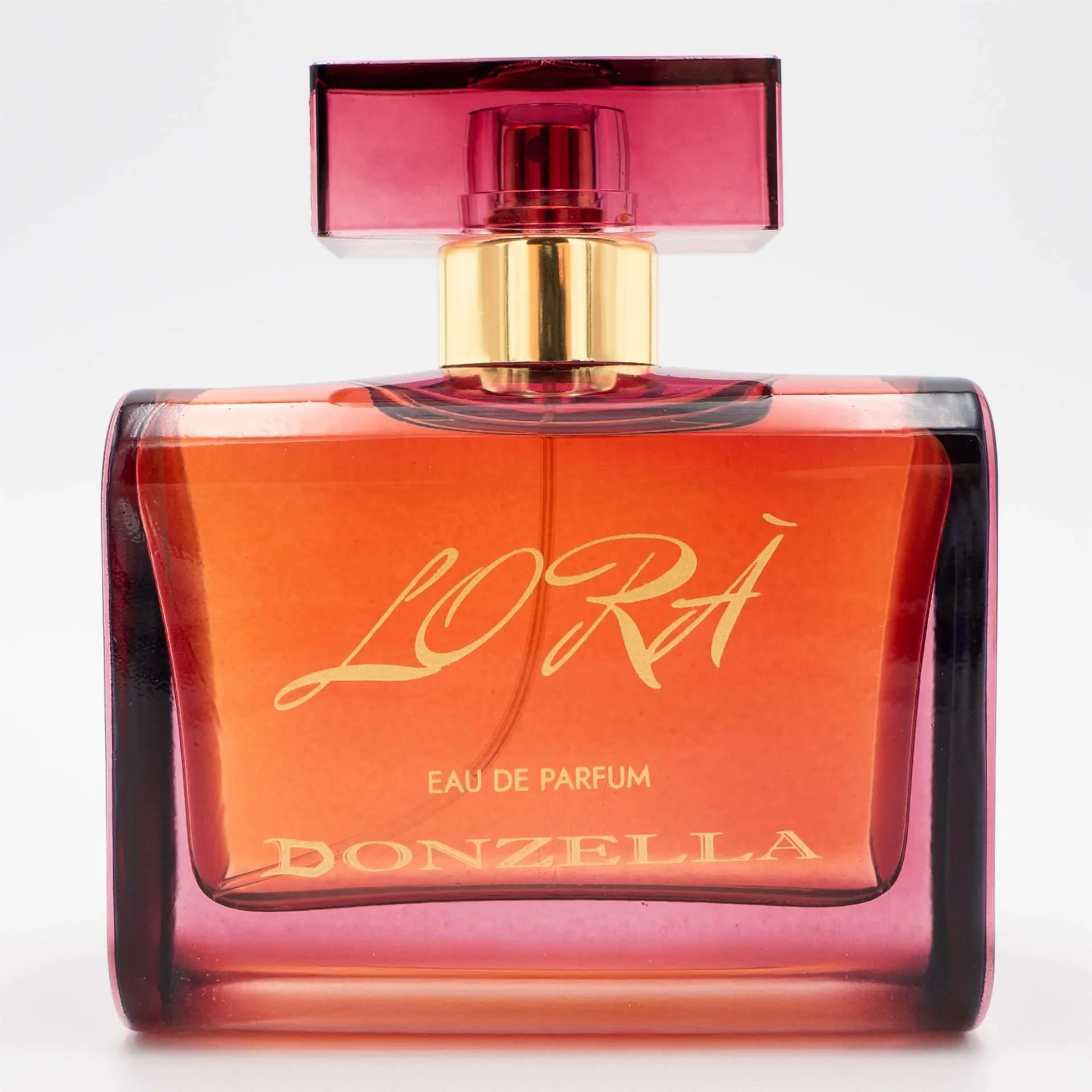
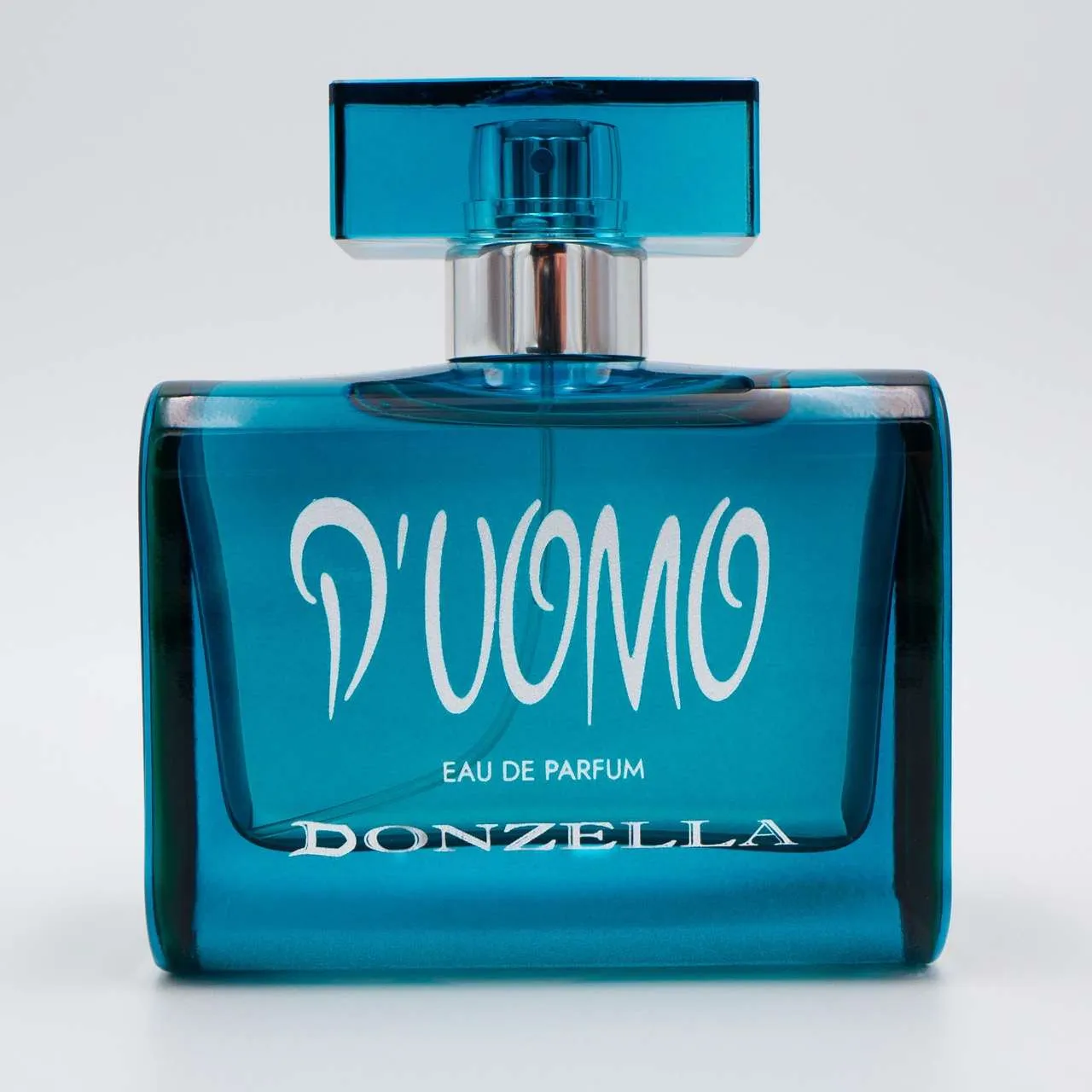
Both of our fragrances rest on generous bases: amber, vanilla and musk in Lorà; vetiver, sandalwood, amber and musk in D’uomo. On skin, each stays with you for twelve hours and more.
So which one is better?
Neither. This is the point most often misunderstood. A higher concentration is not a higher grade, and extrait is not a superior version of eau de parfum. They are different intentions. Extrait is private and enduring, worn for yourself and for those who come close. Eau de parfum is more present and more versatile, at ease in a meeting, a dinner, or a long day. The right answer depends on how you wish to be perceived, and where you intend to wear it.
How the same notes change with concentration
Concentration also changes the way a composition unfolds. In lighter forms, the top notes open bright and quick, then fade. In richer forms, the same notes arrive more slowly and settle more deeply, and the base lingers far longer. The pyramid is the same; the tempo is not.
How to wear each
Start with less than you think. For an eau de parfum, one or two sprays on pulse points are enough for most of a day. For an extrait, a single spray or a light touch on the inner wrist and at the base of the neck is usually enough. In both cases, let the fragrance settle on the skin without rubbing it in, and wait a few minutes before you judge its strength.
Why Donzella composes in eau de parfum
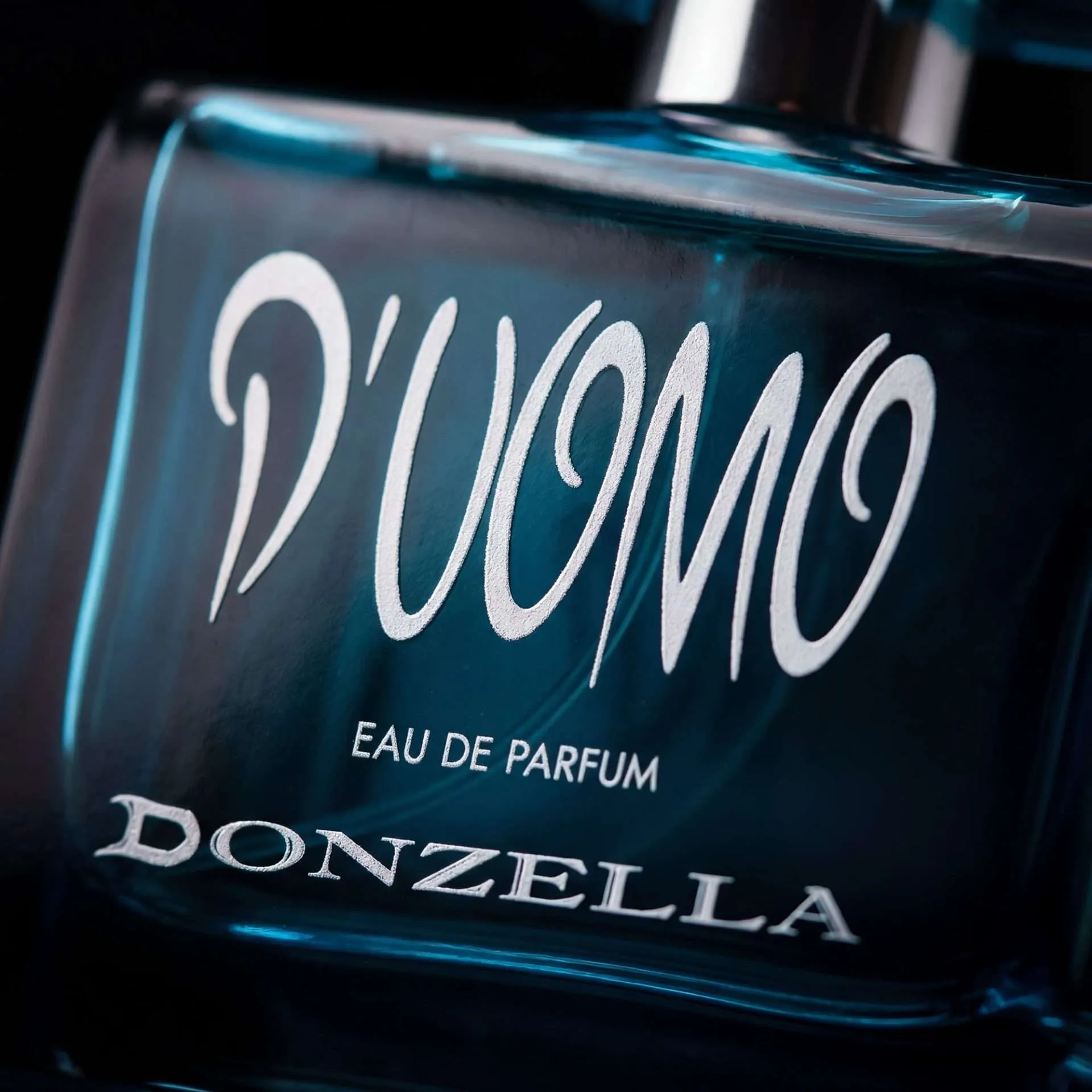
Both of our fragrances, the woody and spicy D’uomo and the luminous floral Lorà, are composed as eau de parfum. The choice is deliberate. This concentration gives each composition enough material to develop fully on skin across a whole day, while keeping a trail that is present without imposing itself. You can read more about both essences in our fragrance collection.

Questions we are often asked
Is extrait de parfum stronger than eau de parfum?
It is more concentrated, which makes it richer and denser, but not louder. Extrait tends to stay close to the skin, while eau de parfum usually carries further around you.
Is parfum the same as extrait de parfum?
In most houses, yes: both names describe the highest concentration. Some houses use parfum for a reworked version of a fragrance, so the name alone does not tell you everything.
Why is extrait more expensive?
Because every millilitre contains more perfume concentrate, and extraits are often sold in smaller bottles. You pay for material, not for a better grade.
Which one is better for every day?
For most people, eau de parfum. It is present enough to be noticed, light enough for an office or a long lunch, and it develops through its full structure across the day.
The only real test is your own skin
Concentration figures are a guide, never a verdict. The same eau de parfum behaves differently on different skin, in different weather, at different hours of the day. This is precisely why we created the Discovery Box: two of our eau de parfums in sample size, made to be worn at home, on skin, over a full day, before you decide on a full bottle. If you would like the method as well as the material, we wrote a short companion guide on how to test a perfume properly at home.
Once you have felt the difference on your own skin, the vocabulary stops mattering. What remains is the only question that ever counted: does it feel like you.
Continue reading