The Journal
Italian Perfume Brands: A Guide to the Houses, Old and New
A map of Italian perfume: the historic apothecaries, the fashion houses, the contemporary niche houses and the independent perfumers, with the criteria to tell them apart.
Italy did not invent perfume, but it shaped much of how the West came to understand it. The great apothecaries of Florence and the citrus groves of the south gave the country a scent culture long before the word niche existed. To speak of Italian perfume brands today is to speak of two things at once: a craft with centuries behind it, and a restless contemporary scene of independent houses. This guide is a map of that landscape. It is not a ranking, because the houses below answer to different ambitions, and a list that pretends otherwise is of little use to anyone actually trying to choose. It is instead a set of criteria, and the names that meet them.
In short
Italian perfume brands fall into four families. The historic apothecaries, such as Santa Maria Novella in Florence, and heritage houses such as Acqua di Parma. The fashion houses, from Gucci and Giorgio Armani to Prada, Dolce&Gabbana, Versace and Bvlgari. The contemporary niche houses, such as Xerjoff, Profumum Roma and Masque Milano. And the independent perfumers, such as Lorenzo Villoresi and Meo Fusciuni. Each family answers a different wish, and the table below gathers thirty houses in one place.
What makes an Italian house worth knowing
Before the names, the measure. A house earns its place in a serious guide not through marketing budget but through a few things you can actually judge for yourself.
- Heritage or genuine artisanal intent. Either a real history, or a real reason to exist beyond filling a shelf.
- A distinctive olfactory identity. A signature you could recognise blind, not a careful copy of last year’s success.
- The honesty of the materials. Good Italian perfume tends to show its raw materials rather than hide them: Calabrian bergamot, resins, iris, Mediterranean woods.
- Independence and small-batch care. The freedom to make an uncommercial choice, and the scale to still control quality.
- Coherence between the story and the bottle. The most reliable test of all. If the two do not agree, trust the bottle.
What follows is organised by generation, not by rank. Read it as a way in, not a verdict.
Italian perfume brands at a glance
| House | Where | Since | Known for |
|---|---|---|---|
| Santa Maria Novella | Florence | 1612, with roots in 1221 | Acqua della Regina and historic colognes |
| Farmacia SS. Annunziata | Florence | 1561 | A Renaissance apothecary, with fragrances today |
| Acqua di Parma | Parma | 1916 | Colonia |
| Carthusia | Capri | 1948 | Fragrances from the island’s plants |
| Gucci | Florence | 1921 | Fashion house, first perfume in the early 1970s |
| Giorgio Armani | Milan | 1975 | Acqua di Giò |
| Prada | Milan | 1913 | Fashion house, fragrances since 2004 |
| Dolce&Gabbana | Milan | 1985 | Light Blue |
| Versace | Milan | 1978 | Eros |
| Bvlgari | Rome | 1884 | Eau Parfumée au Thé Vert |
| Ferragamo | Florence | 1927 | Fashion house, fragrances since the 1970s |
| Valentino | Rome | 1960 | Born in Roma |
| Xerjoff | Turin | 2007 | Opulent compositions in ornate bottles |
| Profumum Roma | Rome | 1996 | Acqua di Sale |
| Masque Milano | Milan | 2010 | Fragrances presented as the acts of an opera |
| Tiziana Terenzi | Cattolica | About 2012 | Rich extraits from a family of candle makers |
| Nasomatto | Amsterdam | 2007 | Provocative extraits by Alessandro Gualtieri |
| Orto Parisi | Amsterdam | 2014 | Earthy, bodily compositions |
| Bois 1920 | Florence | 2005 | A family story of lavender from the 1920s |
| Laboratorio Olfattivo | Rome | 2009 | Guest perfumers at accessible prices |
| Zeromolecole | Turin | 2009 | Contemporary, often gourmand compositions |
| Parco 1923 | Abruzzo | 2016 | The plants of a national park |
| Lorenzo Villoresi | Florence | 1990 | Perfumes composed and made in-house |
| Meo Fusciuni | Sarzana | 2010 | Poetic, travel-driven compositions |
| Bruno Acampora | Naples | 1974 | Concentrated perfume oils such as Musc |
| Mendittorosa | Naples | 2012 | Fragrances built around talismans |
| Acqua dell’Elba | Elba | 2000 | Marine, Mediterranean fragrances |
| Ortigia | Sicily and Florence | 2006 | Sicilian-inspired soaps and scents |
| Francesca Bianchi | Amsterdam | 2016 | Sensual, often animalic compositions |
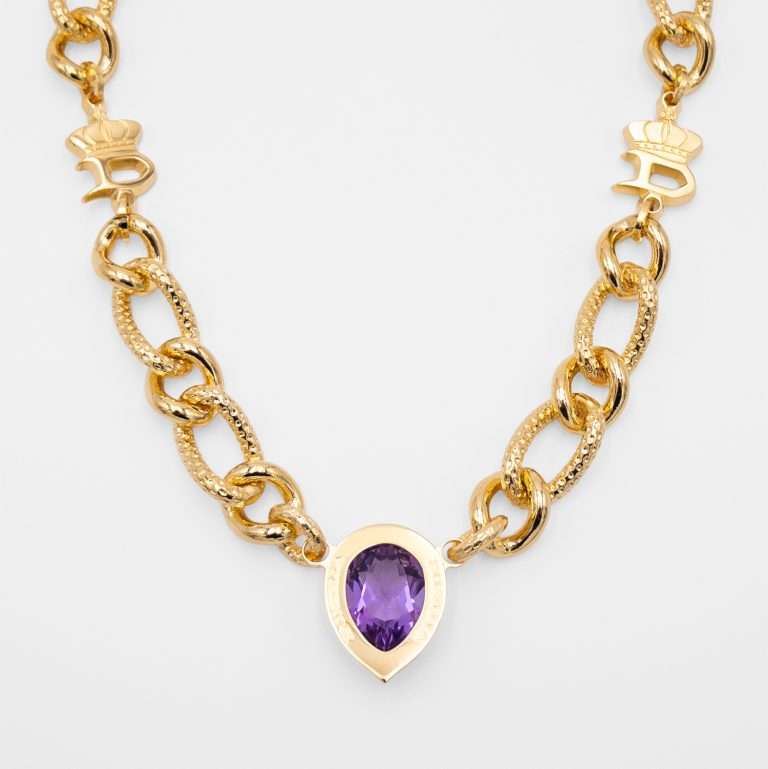
| Donzella | Milan | 2020 | Lorà and D’uomo, perfume and fine jewelry |
The historic houses
Santa Maria Novella
One of the oldest names in Italian perfumery. The Officina Profumo-Farmaceutica di Santa Maria Novella grew out of the Dominican convent of Santa Maria Novella in Florence, where the friars settled in 1221: they were already selling rose water in the fourteenth century, and the Officina opened to the public as a pharmacy in 1612. Its Acqua della Regina, which the house traces to 1533 and the wedding of Caterina de’ Medici, is still produced today and is often cited as one of the oldest fragrances on sale. To wear it is to wear a piece of the Renaissance.
Farmacia SS. Annunziata
Florence has a second apothecary with a long memory. The Farmacia SS. Annunziata traces its history to 1561, near the square that gives it its name. Its fragrances are a creation of recent years, but they carry the city in their bones.
Acqua di Parma
Founded in 1916 by Baron Carlo Magnani in the city of Parma, the house began with a single fragrance, Colonia, and built an entire idea of Italian elegance around it. Bright, clean, unmistakably Mediterranean, it remains the reference point for a certain kind of understated Italian style, the scent equivalent of a well-cut linen suit.
Carthusia
On Capri, Carthusia has made fragrances from the flowers and herbs of the island since 1948, in a small laboratory near the Gardens of Augustus. The house also tells an older legend about its origins, and it is careful to call it a legend.
The fashion houses
For most people, Italian perfume begins here. The great fashion houses brought Italian style to perfume counters all over the world, and several of their fragrances have become modern classics. Many of their perfumes are developed and produced under licence by large beauty groups, which is why they often speak a more global language than the apothecaries. The signature, however, is often recognisably Italian.
- Gucci, founded in Florence in 1921, launched its first perfume in the early 1970s.
- Giorgio Armani, founded in Milan in 1975, introduced its first fragrance in 1982. Acqua di Giò, from 1996, remains one of its most famous.
- Prada, founded in Milan in 1913, came to perfumery in 2004.
- Dolce&Gabbana, founded in 1985, turned to the Mediterranean with Light Blue in 2001.
- Versace, founded in Milan in 1978, launched its first women’s fragrance in 1981. Eros followed in 2012.
- Bvlgari, the Roman jeweller founded in 1884, came to perfume in the early 1990s with Eau Parfumée au Thé Vert.
- Ferragamo, founded in Florence in 1927, has made fragrances since the 1970s.
- Valentino, founded in Rome in 1960, presented its first perfume in 1978.
The contemporary niche houses
Xerjoff
Founded in Turin in 2007 by Sergio Momo and Dominique Salvo, Xerjoff pushed Italian niche perfumery toward open luxury: rare materials, elaborate bottles, and compositions that do not apologise for their richness. It is maximalism done with genuine craft, and it helped define what the world now expects from a high-end Italian house. The group has also revived Casamorati, a Bolognese name whose trademark dates from 1888.
Profumum Roma
Created in Rome in 1996 by the Durante siblings, grandchildren of Roman perfumers, Profumum works in a deliberately narrow style: high concentrations, few notes, no distraction. Its Acqua di Sale, an austere composition of salt, sun and skin, became a modern classic precisely because it refuses to be pretty. This is Italian perfume as reduction rather than ornament.
Masque Milano
A Milan house founded in 2010 by two friends, Alessandro Brun and Riccardo Tedeschi, who built a collection around real memories and lived scenes rather than abstract themes. Presenting each fragrance as an act of an opera, and working with guest perfumers, Masque made a virtue of storytelling, and stands as proof that a young, independent Milanese maison can hold its own among far older names.
Nasomatto and Orto Parisi
The Italian perfumer Alessandro Gualtieri works from Amsterdam. Nasomatto, since 2007, and Orto Parisi, since 2014, are among the most provocative voices in contemporary perfumery: Italian by authorship, if not by address.
Other houses to know
In Romagna, the Terenzi family moved from candle making to perfume, and Tiziana Terenzi has signed rich extraits since the early 2010s. In Florence, Bois 1920 reinterprets a family story of lavender from the 1920s. Laboratorio Olfattivo, created in 2009, commissions established perfumers to compose artistic fragrances at accessible prices. Newer names include Zeromolecole in Turin and Parco 1923, which draws on the plants of the national park of Abruzzo.
The independent perfumers
This is where Italian perfume is most personal: small houses in which one person, or a handful, decides everything.
- Lorenzo Villoresi has composed and produced his perfumes in Florence since 1990, in a palazzo on Via de’ Bardi. In 2006 he received the Prix François Coty, one of the most respected awards in perfumery.
- Meo Fusciuni is the name under which Giuseppe Imprezzabile, a Sicilian-born herbalist, has composed poetic, travel-driven fragrances since 2010, in his atelier in Liguria.
- Bruno Acampora has worked in Naples since 1974, and is known above all for concentrated perfume oils such as Musc.
- Mendittorosa, founded in Naples in 2012 by Stefania Squeglia, builds its fragrances around talismans, with guest perfumers.
- Acqua dell’Elba has made marine, Mediterranean fragrances on the island of Elba since 2000.
- Ortigia, founded in 2006, takes its name and its palette from Sicily, and its perfumes are composed by Lorenzo Villoresi.
- Francesca Bianchi, a self-taught Italian perfumer, has signed sensual, often animalic compositions in Amsterdam since 2016.
Where Italian perfume comes from
Italian perfume has a geography. Florence gave it the apothecaries and some of its finest independent perfumers. Milan and Rome gave it the fashion houses and a new generation of maisons. Turin is home to Xerjoff and Zeromolecole, Parma to Acqua di Parma, Naples to Bruno Acampora and Mendittorosa, and the islands, from Capri to Elba and Sicily, to fragrances built on sea air, citrus and wild herbs. Much of the world’s bergamot, the bright heart of countless colognes, grows along the coast of Calabria.
The new generation
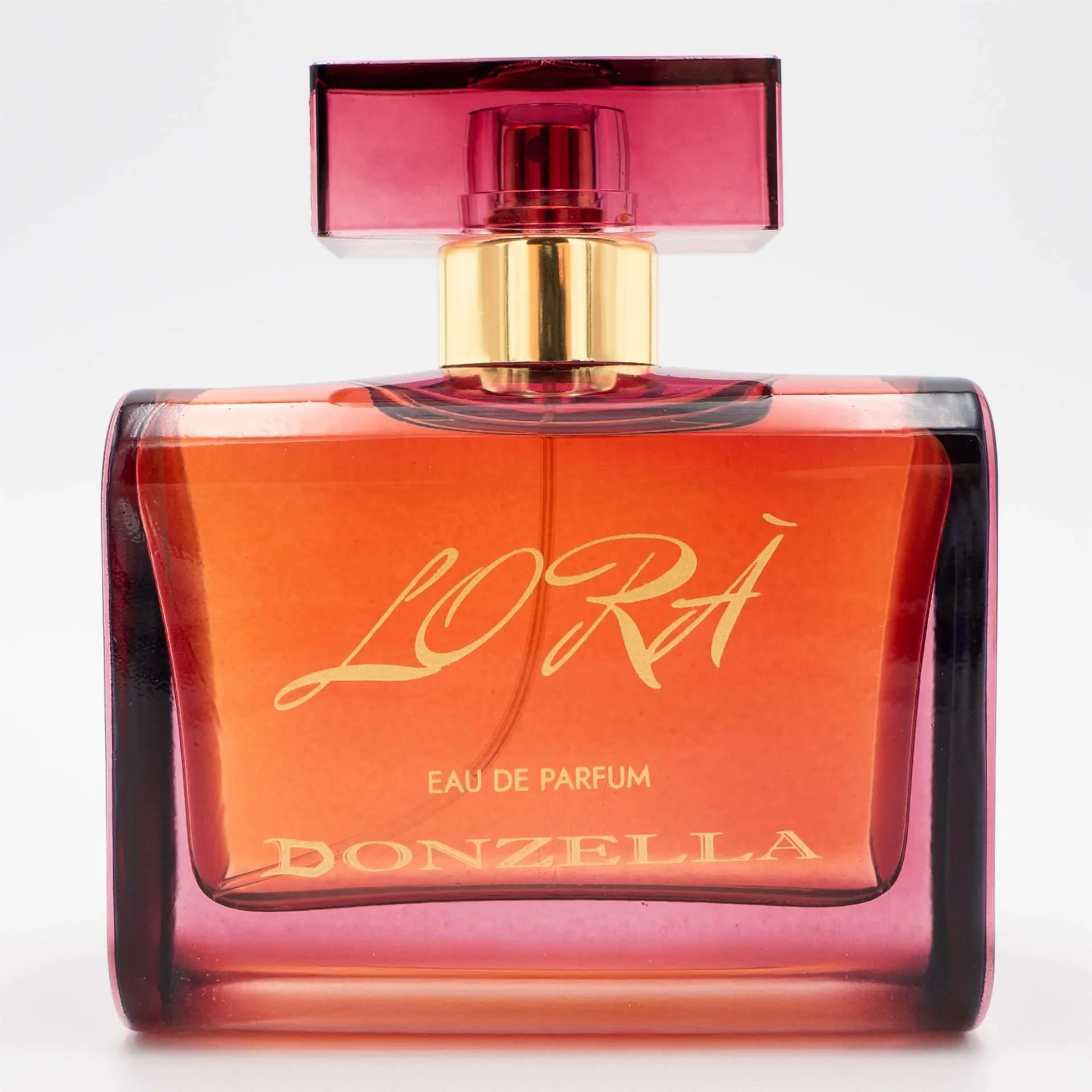
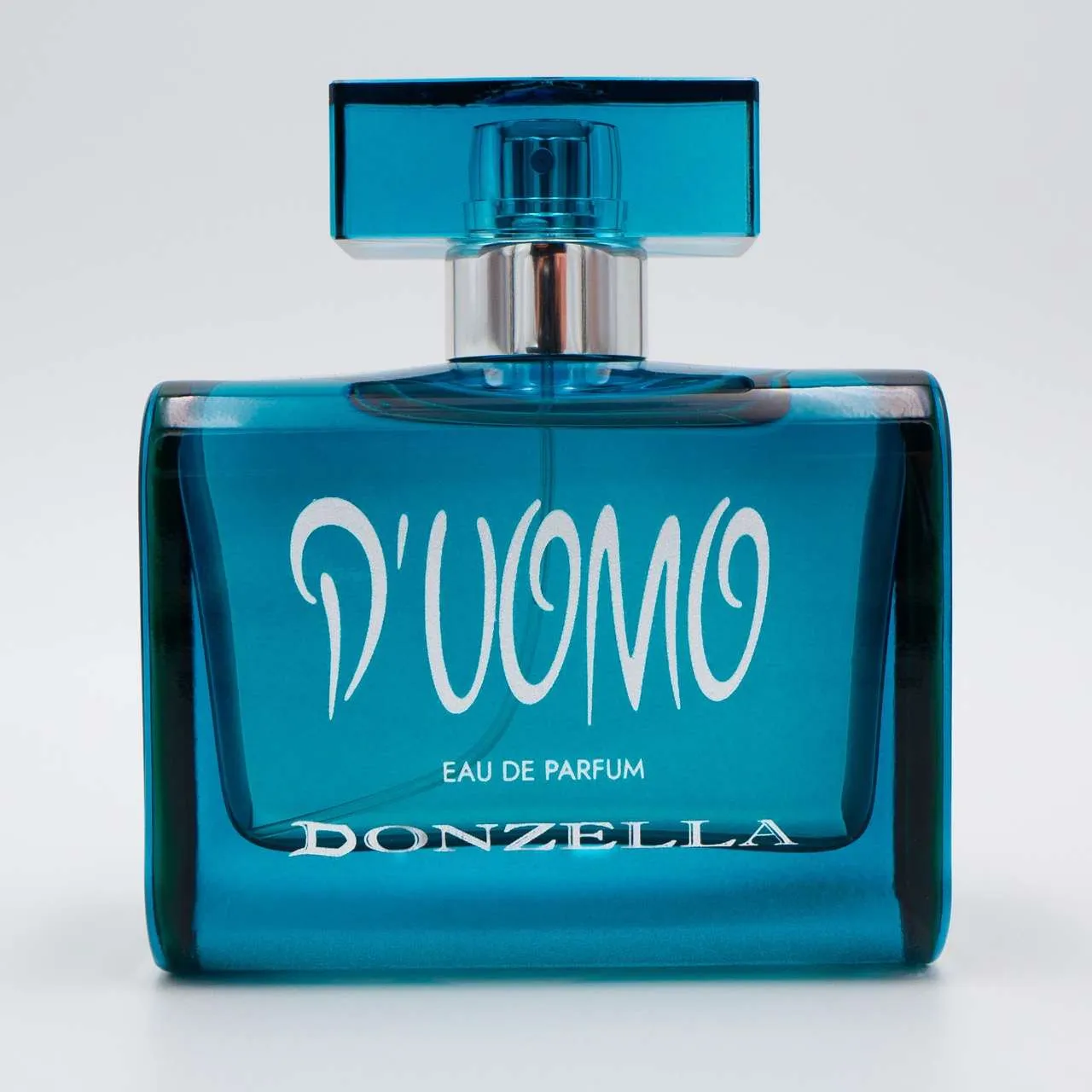
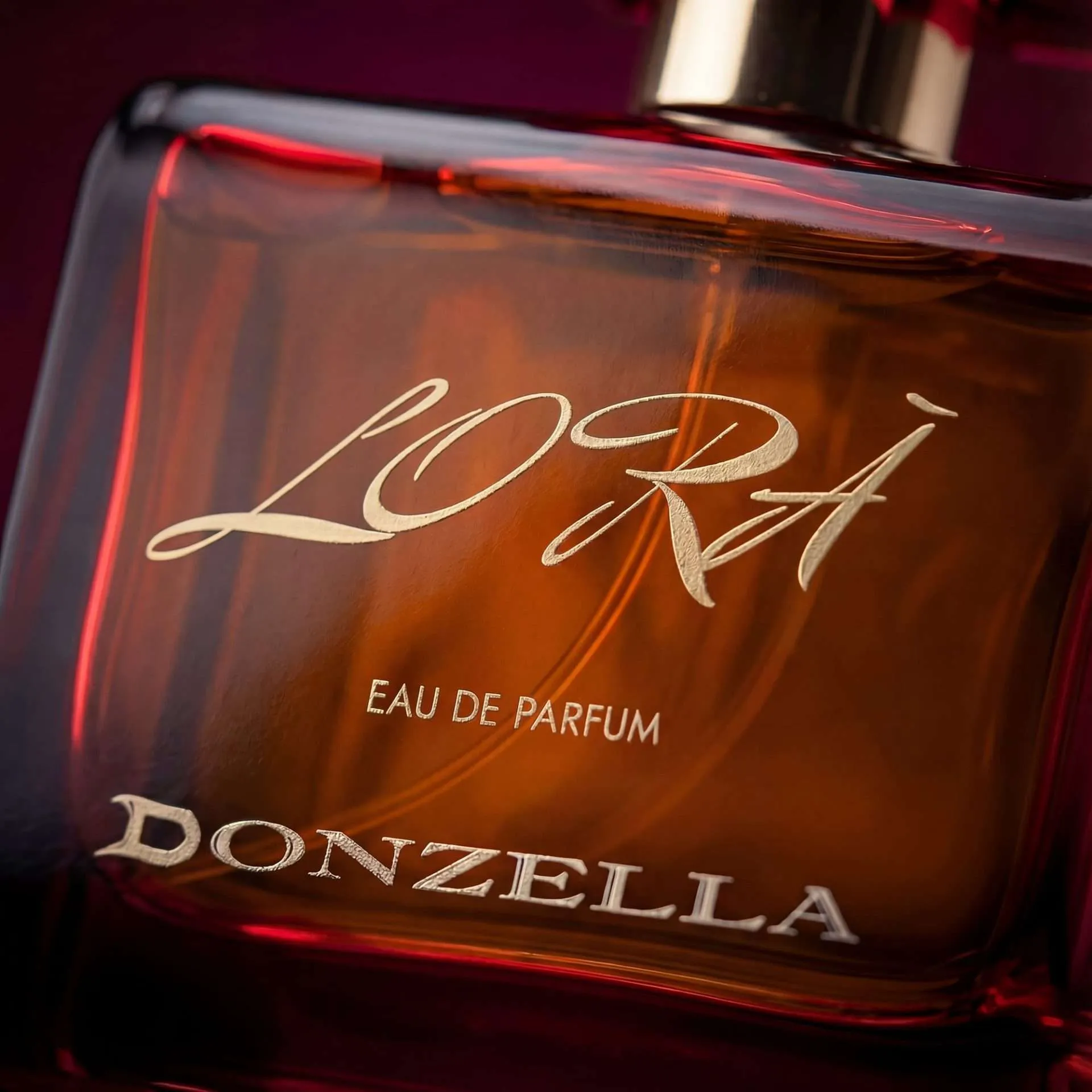
The most interesting part of any honest guide is usually its newest entries: the small independent maisons still finding their audience, working in editions rather than seasonal floods. Donzella belongs to this wave. Founded in Milan in 2020, it is a young atelier that works across both perfume and fine jewelry, and releases in small batches. Its first two eau de parfums, the woody and spicy D’uomo and the luminous floral Lorà, are its opening signatures.

It would be premature to place a house this new beside the institutions above, and this guide will not pretend otherwise. We include Donzella here for a plain reason: it is ours, and honesty was one of the criteria we asked you to hold everyone else to. Judge it as you would judge any of them, on the bottle rather than the story, which is exactly why we make it easy to try before you commit.
How to explore Italian perfume
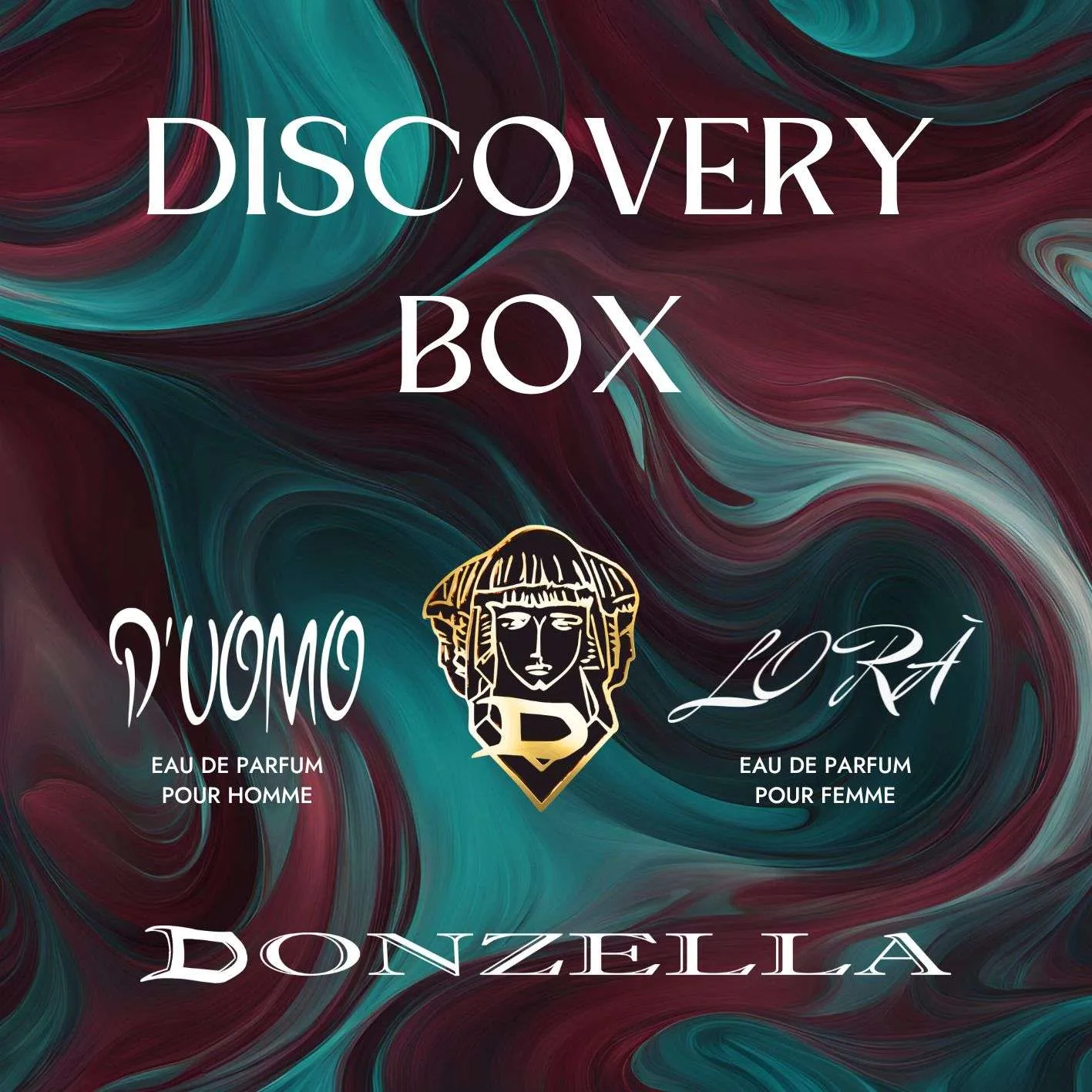
The country rewards the patient. Start with the criteria above, not with a bestseller list, and test on skin rather than paper, because Italian compositions in particular tend to bloom slowly and warmly over a day. If you would like the method, we wrote a short guide on how to test a perfume properly at home, and another on the difference between eau de parfum and extrait. And if you want to begin with ours, the Discovery Box brings both Donzella eau de parfums to your own home, in sample size, before any decision. Explore the full fragrance collection when you are ready.
Questions we are often asked
What is the oldest Italian perfume house?
Santa Maria Novella in Florence is usually named first. The Dominican friars who settled there in 1221 were already selling rose water in the fourteenth century, and the Officina opened to the public as a pharmacy in 1612.
Which Italian perfume brands are niche?
Among the best known are Xerjoff, Profumum Roma, Masque Milano, Tiziana Terenzi, Bois 1920 and Laboratorio Olfattivo, alongside independent perfumers such as Lorenzo Villoresi and Meo Fusciuni.
Which Italian fashion houses make perfume?
Gucci, Giorgio Armani, Prada, Dolce&Gabbana, Versace, Ferragamo and Valentino all have fragrance lines, and so does Bvlgari, the Roman jeweller.
Are Italian perfumes made in Italy?
Not always. Many fashion houses produce their fragrances with international beauty groups under licence, while many niche and independent houses compose and produce in Italy. When it matters to you, look at the bottle and at the house’s own information.
Whatever you choose, choose it on your own skin. That is the one rule every good Italian house would agree on.
Continue reading